

Structural Drying
Structural Drying Services
Controlled removal of excess moisture from building materials using air movement, dehumidification, extraction and moisture monitoring — verified to dry standard.
What We Cover
Structural Drying Services
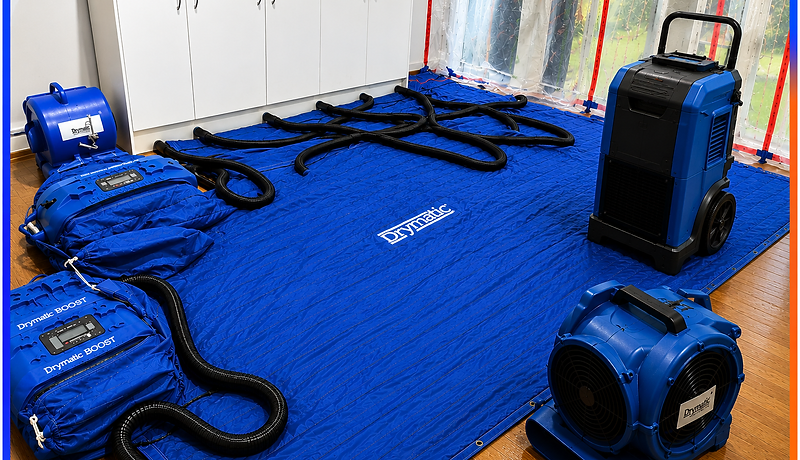
Structural drying is the controlled removal of excess moisture from building materials after water damage. It goes well beyond extracting standing water, targeting moisture absorbed into plasterboard, timber framing, concrete slabs, insulation and cavities that would otherwise harbour mould and cause ongoing damage.
We use a combination of air movers to accelerate evaporation, commercial dehumidifiers to capture released moisture, and injected drying systems for wall cavities and subfloors. Throughout the process we take moisture readings and adjust equipment until all affected materials return to an acceptable dry standard, documented in a final drying report.
Quick Answers
Structural Drying FAQs
What is structural drying?
Structural drying is the controlled removal of excess moisture from building materials following water damage using air movement, dehumidification, extraction and moisture monitoring.
How long does structural drying take?
Typically 3–7 days depending on the extent of moisture migration, building materials and ambient conditions, with ongoing monitoring throughout.
What equipment does Clean Dry Restore use?
We utilise high-performance air movers, industrial dehumidifiers and advanced injection drying systems to extract moisture effectively.
How do you know when my home is dry?
We use moisture meters to monitor materials until they return to industry-standard dry levels.
Why can't I just use a fan to dry?
Standard fans only circulate air, whereas our industrial equipment actively removes moisture from the air and materials.
Should I leave the equipment running constantly?
Yes, our equipment must run 24/7 to ensure consistent moisture reduction and to prevent secondary damage.
Is the drying equipment noisy?
Commercial drying equipment does produce noise, which is necessary for effective moisture removal in your home.
Does the equipment increase humidity levels?
No, our commercial dehumidifiers are specifically designed to reduce humidity and collect moisture from the air.
Can I stay in the house while it dries?
In many cases you can stay, though the environment may be loud and warmer than usual due to the equipment.
Do you dry wall cavities?
Yes, we use injection drying systems to push warm, dry air into wall cavities where moisture often hides.
What happens if materials do not dry?
If materials fail to meet target moisture levels, we will reassess and recommend further remediation options.
How does drying help prevent future issues?
Thorough drying stops wood rot, rust and mould development, protecting your home's structural integrity long-term.
Water Damage
Related Resources & Guides
What To Do After Water Damage in Your Home
Discover essential steps to take after water damage in your home. Expert advice from Clean Dry Restore to minimise damage and ensure a safe recovery. Call 1300 REVIVE.
ReadCan Water Damage Cause Electrical Faults?
Discover if water damage causes electrical faults. Learn the risks, safety steps, and how Clean Dry Restore can help keep your property safe. Call 1300 REVIVE.
ReadBurst Pipe Water Damage: Immediate Steps
Discover immediate steps to manage burst pipe water damage in Newcastle and the Hunter Valley. Protect your home and contact Clean Dry Restore on 1300 REVIVE.
ReadWhat Is Moisture Mapping and Why It Matters
Discover why moisture mapping is essential for professional water damage restoration in Newcastle and the Hunter Valley. Ensure your property is truly dry.
Read24/7 Emergency Response
Need Help Now? Contact Clean Dry Restore
Rapid, documented property restoration across Newcastle & Greater Hunter. Available 24/7 for emergency response.